Kilimanjaro National Park Implements New Eco-Tourism Policies
Kilimanjaro National Park has announced sweeping new eco-tourism regulations aimed at preserving the fragile ecosystem of Africa’s tallest mountain. Starting next year, the number of daily climbers will be capped at 150, down from the previous limit of 200, to reduce trail erosion and waste accumulation. Additionally, all tour operators must now use biodegradable packaging, and climbers will undergo mandatory environmental awareness training before their ascent."Kilimanjaro is a global treasure, but it’s under pressure from over-tourism," said Samuel Kato, the park’s chief warden. "These measures ensure that we protect the mountain for future generations while still allowing people to experience its majesty.
"The new policies come after a 2024 study revealed alarming levels of microplastics in Kilimanjaro’s snow, linked to discarded trekking gear and food wrappers. In response, the park has also introduced a "zero-waste" initiative, requiring all climbing groups to carry out their trash or face hefty fines. Local guides have welcomed the changes, though some small operators worry about the financial impact of stricter regulations."It’s a necessary step," said veteran guide Asha Muro. "If we don’t act now, Kilimanjaro won’t be the same in 20 years." The Tanzanian government has pledged to support affected businesses with training in sustainable tourism practices.
You may also be interested with Tanzania News & Articles below
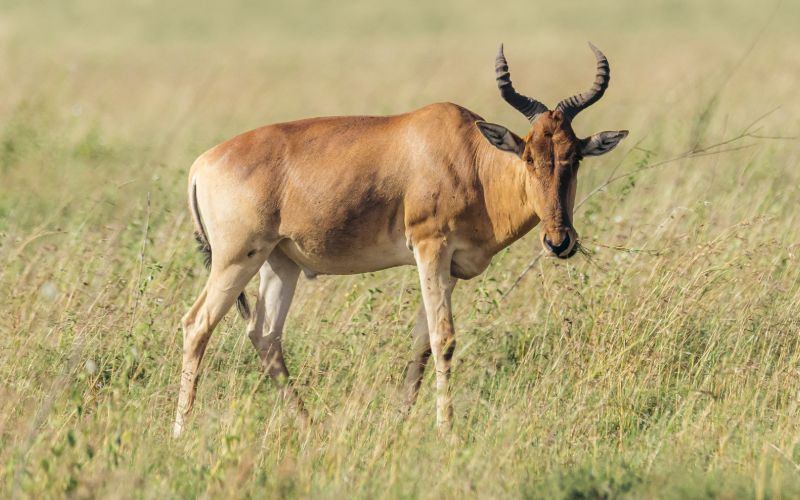
Serengeti National Park Records Highest Lion Population in Decades

Rare Black Rhino Spotted in Ngorongoro Conservation Area

Tarangire National Park Expands Elephant Protection Zones
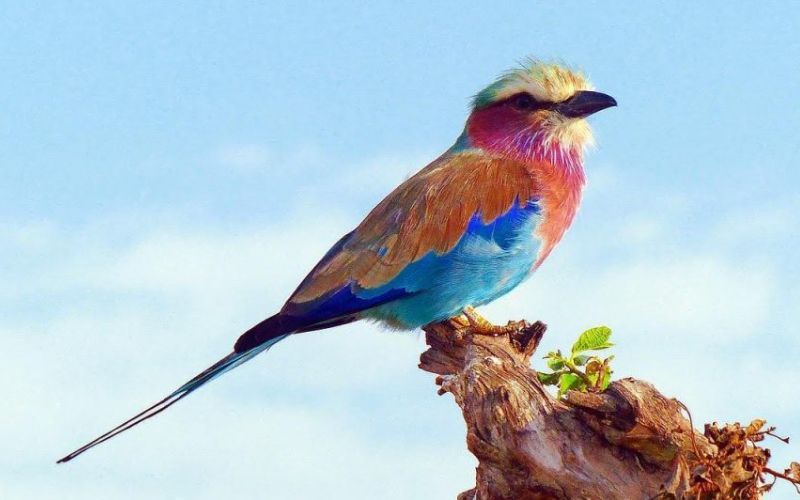
New Bird Species Discovered in Selous Game Reserve