Ngorongoro Crater
For those familiar with it, the Ngorongoro Conservation Area conjures up images of a giant wildlife-filled volcanic caldera, where the ‘big five’ and many other animals roam. But there's more to the area than this. The Ngorongoro Conservation Area also encompasses mountains, lakes, forests and wide-open African plains. It contains several globally significant archaeological sites.
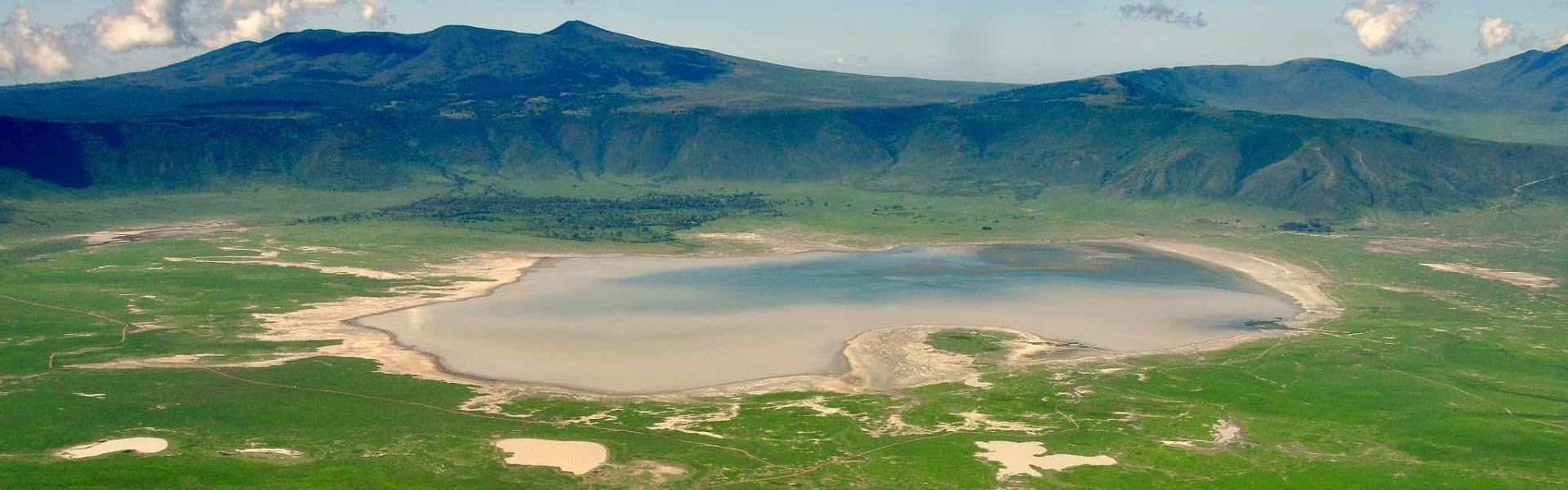
The Ngorongoro Conservation Area covers an area of 8300 sq km, with a deep volcanic crater at its centre, the largest unbroken caldera in the world. The crater is undoubtedly the ‘jewel in the crown’ - an area that is about 300 sq km in area, 600 metres deep and 20 km wide. The rim of the crater is an astounding 2286 metres above sea level. The floor contains a small soda lake called Lake Magadi and it is estimated that around 30000 animals live in the crater, making it the most intensive safari wildlife viewing area on earth.
This African wildlife area was previously part of the Serengeti National Park, but due to the needs of the local Maasai who have been living in the area for hundreds of years, the area was reclassified as a conservation area. It is a great example of a protected area that allows for ongoing, sustainable human use. The local Maasai live in harmony with the wildlife and the environment and have grazing rights in the crater.
You may be interested in more Tanzania Safari Destinations below
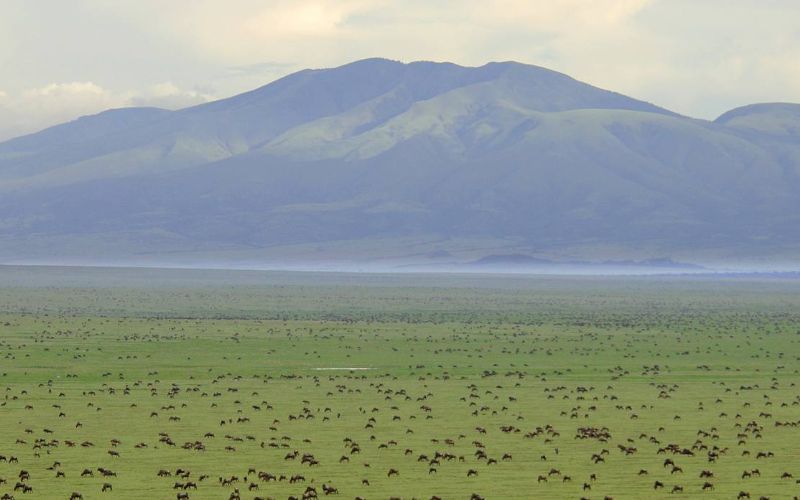
Covering an area of 14763 sq km, Serengeti National Park is the largest national park in Tanzania. The park is located about 320 km north-west of Arusha, lying in a high plateau between the Ngorong...
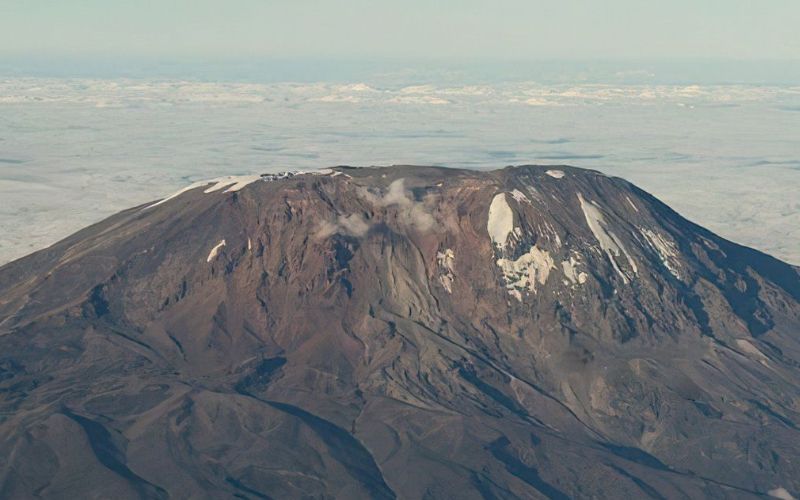
Kilimanjaro. The name itself is a mystery wreathed in clouds. It might mean Mountain of Light, Mountain of Greatness or Mountain of Caravans. Or it might not. The local people, the Wachagga, don't...